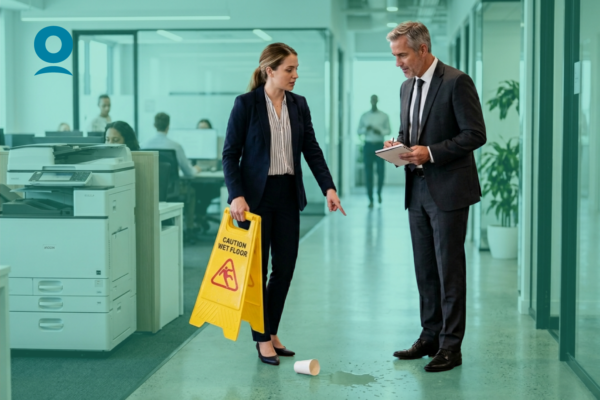
Injuries in the wholesale and retail sector
Whilst there are distinct similarities between the wholesale and retail sectors from a health and safety perspective, it is important to understand the nature and type of common injuries that take place in the two sectors. By identifying these incidents, a company can then focus on implementing the most effective control measures to mitigate the likelihood of these incidents taking place.
Typical injuries in the wholesale sector:
- Forklift Accidents: Given the use of machinery for moving large quantities of goods, accidents involving forklifts can lead to serious injuries.
- Slips, Trips, and Falls: Warehouses often have smooth concrete floors and may have spills or debris, increasing the risk of such accidents.
- Manual Handling Injuries: These can occur due to lifting heavy objects, such as boxes or pallets, especially in warehouses or distribution centres.
- Falling Objects: Items stored on high shelves or improperly stacked goods can fall and cause injuries to workers below.
Typical injuries in the retail sector:
- Slips, Trips, and Falls: These are common due to smooth floors, spills, or cluttered aisles, especially in areas like supermarkets or retail stores.
- Repetitive Strain Injuries: Cashiers or stock handlers may develop repetitive strain injuries from repetitive motions such as scanning or lifting items.
- Cuts and Lacerations: Handling sharp objects or opening packages can lead to cuts and lacerations.
- Ergonomics: Poorly designed workstations or improper lifting techniques can contribute to long-term ergonomic injuries.
Investigating and reporting the above incidents is an important part of a health and safety management system. It assists in identifying the root cause of the incident and assessing the most appropriate control measures to implement.